Mold Remediation in Fort Pierce, FL
Professional mold remediation services with 24/7 emergency response
Fort Pierce's warm, humid climate creates ideal conditions for mold growth, making professional mold remediation a frequent necessity for local homeowners. Ontime Fort Pierce Water Damage provides comprehensive mold inspection, testing, containment, removal, and prevention services. Our licensed mold remediation specialists follow strict EPA and IICRC protocols to ensure complete and safe mold elimination.
Professional Mold Inspection and Testing
Our mold remediation process begins with a thorough inspection using moisture meters, thermal imaging, and visual assessment to identify all areas of mold growth — including hidden mold behind walls, under flooring, and in crawl spaces. We collect air and surface samples for laboratory analysis to identify the specific mold species present and determine the appropriate remediation protocol.
Safe Mold Removal Process
Mold remediation requires strict containment to prevent spore dispersal. We establish negative air pressure containment zones using polyethylene sheeting, deploy HEPA air scrubbers to filter airborne spores, and use personal protective equipment throughout the process. Affected materials are carefully removed and disposed of according to EPA guidelines. All remaining surfaces are treated with professional-grade antimicrobial solutions.
Mold Prevention Strategies
Removing existing mold is only half the solution — preventing recurrence is equally important. We address the underlying moisture source that enabled mold growth, whether it's a plumbing leak, poor ventilation, inadequate drainage, or elevated humidity. We provide recommendations for ongoing moisture control including dehumidifier placement, ventilation improvements, and regular inspection schedules.
Service Areas
We provide mold remediation services throughout the Treasure Coast including: Fort Pierce, Port St. Lucie, Stuart, Vero Beach, Jensen Beach, Palm City, Sebastian, Okeechobee, Hobe Sound, Tradition.
Get Free Estimate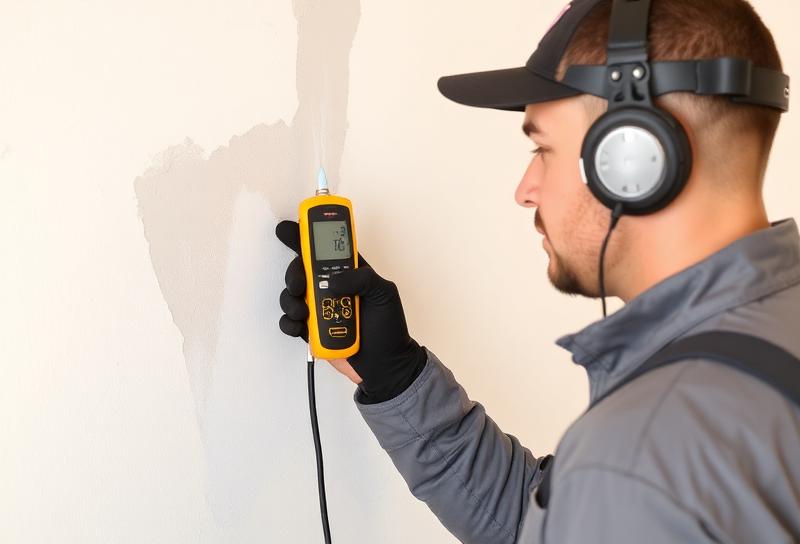
Common Causes of Mold Growth in Treasure Coast Properties
Mold needs moisture, a food source and time. In Fort Pierce, two of the three are always present.
Unaddressed Water Damage
Any water event dried improperly, or dried too slowly, will produce mold within 24 to 48 hours in local humidity.
AC Systems and Condensate Lines
Oversized units short-cycle without dehumidifying, and clogged condensate lines wet drywall behind air handlers and along hallway ceilings.
High Indoor Humidity
Homes left at 78 degrees while owners are away, or closed seasonal properties, routinely exceed 60 percent indoor humidity and grow mold with no leak at all.
Plumbing and Fixture Leaks
Slow leaks under sinks, behind toilets and inside walls feed mold for months before staining or odor appears.
Roof and Window Intrusion
Storm-driven rain enters at flashing and window flanges, wetting insulation and sheathing where nobody looks.
Poor Ventilation
Bathrooms without working exhaust fans, closed closets on exterior walls and unvented attics trap moisture against cool surfaces.
Warning Signs You Should Not Ignore
Most mold we find in Fort Pierce homes was never visible to the owner. It was found because of odor, symptoms or a moisture inspection. Indicators include:
- A musty, earthy odor that returns after cleaning
- Allergy or asthma symptoms that improve when you leave the house
- Discoloration or fuzzy growth on drywall, grout or trim
- Peeling paint, bubbling wallpaper or warped baseboards
- Water stains on ceilings, especially near AC returns
- Persistent condensation on windows or supply vents
- Indoor humidity readings above 60 percent
- A prior water loss that was dried with fans alone
Household bleach does not solve mold on porous materials. It removes color from the surface while the root structure remains in the material and regrows.
📞 Call Now🚨 When It Becomes an Emergency
Do not disturb visible mold. Scrubbing, sanding or tearing out drywall without containment releases millions of spores into the rest of the building and turns a single-room job into a whole-house job.
Close the door to affected rooms, turn off the HVAC if returns are nearby, run a dehumidifier if you have one, and keep vulnerable occupants out of the space until an assessment is done.
Our Mold Remediation Process
Remediation follows EPA and IICRC S520 protocol, and containment always comes before removal.
Inspection and Moisture Source
We locate all growth with thermal imaging and meters, and identify the moisture source, because remediation without source correction always fails.
Containment and Negative Air
Poly barriers and negative air machines isolate the work area so spores cannot migrate into clean parts of the building.
Removal and HEPA Cleaning
Affected porous materials are removed and bagged, remaining surfaces are HEPA vacuumed, wire-brushed or media blasted, then treated with antimicrobials.
Drying, Clearance and Rebuild
The area is dried to verified standard, post-remediation verification confirms success, then materials are rebuilt.
Equipment and Technology We Use
Containment equipment is what separates remediation from spreading the problem.
Negative Air Machines
Maintain lower pressure inside containment so airflow always moves into the work area, never out into your living space.
HEPA Air Scrubbers
Capture spores down to 0.3 microns and run continuously through removal and cleaning.
HEPA Vacuums
Collect settled spores from framing, subfloor and remaining surfaces without re-aerosolizing them.
Antimicrobial Treatment
EPA-registered products applied to cleaned framing and structural surfaces after removal.
Media and Soda Blasting
Removes surface growth from framing and sheathing in attics and crawl areas without damaging sound wood.
Dehumidification
Brings the space and the structure below the moisture level mold needs, then holds it there while repairs are made.
Residential and Commercial Applications
The same certified crews and documentation, scaled to the property.
🏠 Residential Properties
Residential mold is usually found in three places here: bathrooms, around air handlers, and behind kitchen or laundry appliances. All three trace back to moisture that ran quietly for weeks.
- Bathroom, shower wall and vanity remediation
- Air handler closet and duct-adjacent growth
- Attic sheathing mold from ventilation and roof leaks
- Post-water-loss remediation after improper drying
- Humidity control recommendations to prevent recurrence
🏢 Commercial Properties
Commercial mold raises tenant, employee and liability questions. Documentation matters as much as removal.
- Office, retail and restaurant remediation with after-hours scheduling
- Multi-unit and HOA buildings, including shared wall assemblies
- Schools, churches and medical offices requiring clearance testing
- Rental property remediation with landlord documentation
- Third-party post-remediation verification available on request
Why Early Restoration Costs Less
Timelines matter more in Florida humidity than almost anywhere else in the country.
✅ Addressed Within Days
Growth is usually confined to surface materials in one area. Containment is small, removal is limited to a few square feet of drywall, and the total project often finishes in two to four days.
⚠ Left for Months
Colonies reach framing, insulation and subfloor, spores distribute through the HVAC system, and occupants may develop ongoing respiratory symptoms. Remediation expands to multiple rooms and often includes duct cleaning and reconstruction.
Property disclosure is another consideration. Documented professional remediation is a far better position at resale than an unexplained stain and a lingering odor.
Insurance Considerations
Florida policies commonly cap mold coverage, often around $10,000, and only when the mold results from a covered sudden water loss that was mitigated promptly. Mold caused by long-term leaks, deferred maintenance or high humidity is generally excluded.
This makes the timeline documentation critical. When we remediate mold following a water loss we handled, we can demonstrate that mitigation began immediately, which supports coverage. We provide moisture logs, photographs, protocol documentation and clearance results with every remediation file.
📄 What We Document on Every Job
- Photographs of the source, the affected materials and the surrounding rooms before work begins
- Room-by-room moisture maps and daily meter readings until dry standard is verified
- Equipment logs showing what ran, where it ran and for how long
- Line-item estimates in the format adjusters already work with
- A written cause-of-loss summary separating sudden events from long-term seepage
Mold Remediation Across Fort Pierce and the Treasure Coast
Fort Pierce sits in one of the most mold-friendly environments in the continental United States. Average relative humidity runs above 70 percent for much of the year, and the dew point stays high enough that surfaces cooled by air conditioning condense moisture continuously.
Seasonal and Vacant Homes
Properties in Hobe Sound, Vero Beach and coastal Stuart left closed over summer are our most common whole-house mold calls.
Coastal Condos
Shared wall assemblies and stacked plumbing mean one unit's leak becomes three units' mold problem. We coordinate with associations and managers.
Newer Tight Construction
Homes in Tradition and newer Port St. Lucie subdivisions hold humidity efficiently once moisture gets inside the envelope.
Related: water damage restoration, structural drying, and preventing mold after water damage.
Mold Remediation FAQs
Common signs include musty odors, visible discoloration on walls or ceilings, water stains, peeling paint, increased allergy symptoms, and condensation on windows. However, mold often grows hidden behind walls and under flooring.
Yes. Mold exposure can cause allergic reactions, respiratory problems, headaches, skin irritation, and in severe cases, neurological symptoms. People with asthma, allergies, or compromised immune systems are particularly vulnerable.
Most residential mold remediation projects take 3-5 days. Larger or more complex cases involving structural mold may take 1-2 weeks.
Not if the moisture source is properly addressed. Our remediation process includes identifying and resolving the underlying moisture problem to prevent recurrence.
Coverage depends on the cause. Mold resulting from a covered peril like a burst pipe is typically covered. Mold from ongoing maintenance issues like chronic leaks may not be covered. We help you document the cause for your insurance claim.
Residential mold remediation typically costs between $1,500 and $6,000 depending on the extent of contamination. Large-scale or structural mold removal can cost more. We provide free inspections and estimates.
Not always. If mold is visible and the source is known, testing may add cost without changing the protocol. Testing is worth it when occupants have unexplained symptoms, when growth is suspected but not visible, or when you need clearance documentation for a sale, a tenant or an insurer.
On hard, non-porous surfaces like tile and glass, cleaning works. On drywall, wood and insulation, bleach removes surface color while the root structure survives inside the material and regrows, usually within weeks.
Keep indoor relative humidity between 45 and 55 percent. Above 60 percent, mold can grow on ordinary household dust without any leak at all, which is the most common cause of mold in vacant Florida homes.
Yes, once the affected materials are removed and the moisture source is corrected. Odor that persists after remediation almost always means growth remains in an untreated cavity, duct or attic space.
Need Emergency Water Damage Help?
Our certified technicians are available 24/7. Fast response times throughout the Treasure Coast.
📞 Call Now Get Free Estimate